Standards
What should be agreed before a cleaner's first day?
The days and hours, the duties, the rate or salary, when payment is made, and how much notice either side gives - all settled before work starts, not after.
Put Kleana on your phone. It opens like an app and works when the signal is poor.
Clause 2 of the Charter
The plain answer
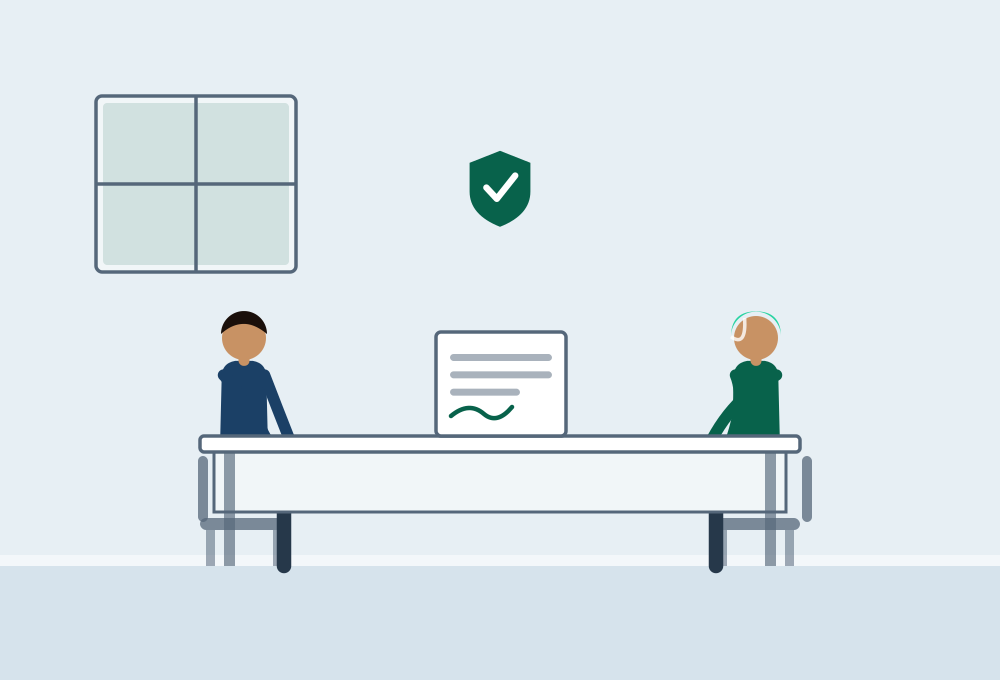
Most disputes in domestic work are not about bad people. They are about things nobody wrote down. Kleana's second clause fixes the moment to settle them: before the first day, both sides agree the days and hours, the duties, the rate or salary, when payment happens, and how much notice either side must give.
For a live-in arrangement there is more to pin down, because more of the person's life is involved: the accommodation, the meals, and a full day off each week are all agreed up front too. None of it is left to be worked out later, when it is already a grievance.
The clause also settles what happens when the job grows. An extra room, another child, longer hours or a new duty are all changes to the agreement - renegotiated, not assumed. "While you're here, could you also…" is a new term, and it is agreed like one. Getting this right on day zero is the cheapest insurance either side will ever buy.
More answers
Other questions people ask
- Is a cleaner part of the family, or is it just a job?
- What does a household owe a cleaner - water, food, a place to rest?
- What is a cleaner responsible for in someone's home?
- What counts as an honest listing on Kleana?
- What notice is fair when ending a cleaning job?
- How do you report a problem with a cleaner or an employer?
- Does the Charter replace the labour law?